
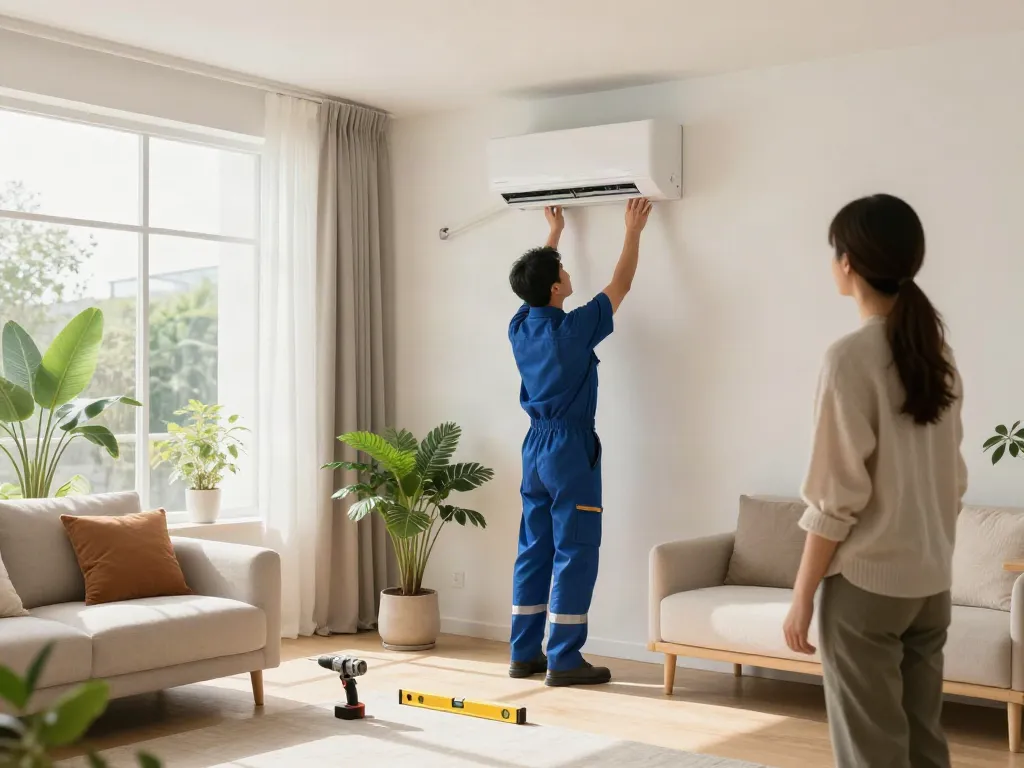
Understanding Ductless AC Systems
As the climate continues to evolve, homeowners are increasingly looking for energy-efficient and effective methods to maintain comfort in their residences. Ductless AC systems, often referred to as mini-splits, have gained popularity for their flexibility and efficiency. Unlike traditional air conditioning systems that rely on extensive ductwork, ductless AC units provide targeted cooling and heating solutions that cater specifically to individual rooms or zones. This unique capability makes them particularly appealing for smaller spaces or retrofitting older homes without existing duct systems. When exploring options, ductless ac provides comprehensive insights into modern air conditioning solutions.
What is a Ductless AC?
A ductless AC system consists of an outdoor compressor and one or more indoor air-handling units. This type of air conditioner operates without the need for air ducts typically used in conventional HVAC systems. The indoor units are mounted in various locations, allowing for customized climate control in each area. Ductless systems can both heat and cool spaces, making them versatile for different weather conditions.
How Does Ductless AC Work?
Ductless AC units work by transferring heat from inside the home to the outside. When cooling, the indoor unit absorbs heat from the room air and passes it to the outdoor unit, which then releases it. Conversely, during the heating process, the system extracts heat from the outdoor air and transfers it indoors, even in cooler conditions. This refrigerant cycle ensures efficient temperature regulation, contributing to energy savings.
Advantages of Ductless AC Systems
- Energy Efficiency: Ductless AC units are known for their high Seasonal Energy Efficiency Ratio (SEER) ratings, which can lead to significant energy savings.
- Zone Control: Each indoor unit operates independently, allowing for tailored temperature settings based on preference or occupancy.
- Easy Installation: With minimal ductwork required, installation is quicker and less invasive compared to traditional systems.
- Improved Air Quality: Ductless systems reduce the risk of dust and allergens commonly trapped in duct systems, promoting better indoor air quality.
- Flexibility: Ideal for retrofitting older homes, extensions, or spaces where ductwork isn't feasible.
Choosing the Right Ductless AC for Your Home
Deciding on the suitable ductless air conditioning system can be a daunting task, given the variety of models and brands available. Understanding your specific needs and the characteristics of your home plays a crucial role in selecting the best unit. Ensuring that you choose a system that fits your space and energy requirements is essential for optimal performance.
Factors to Consider When Selecting a Ductless AC
- Size of the Unit: Selecting an appropriately sized unit is crucial for efficiency. Units that are too small will struggle to cool a space, while those that are too large may cycle on and off frequently, wasting energy.
- SEER Rating: Look for units with a high SEER rating, indicating better energy efficiency. Systems with higher ratings tend to save more energy and reduce utility costs.
- Noise Level: Consider the noise level specifications if you are sensitive to sound, especially for indoor units that may be installed in bedrooms or quiet living areas.
- Installation Type: Evaluate whether you prefer a wall-mounted unit, ceiling cassette, or floor-mounted system based on your home’s layout.
- Additional Features: Consider desired features such as WiFi compatibility, remote control options, and programmable timers for enhanced convenience.
Top Ductless AC Brands in 2026
Several manufacturers dominate the ductless air conditioner market, each offering high-quality products tailored to various consumer needs. Brands like Mitsubishi Electric, Fujitsu, and LG are well-regarded for their efficiency and reliability. Models from these manufacturers frequently incorporate advanced technology, beneficial warranties, and strong customer support, ensuring buyers receive top-notch systems.
Common Misconceptions About Ductless AC
Despite their growing popularity, ductless AC systems are often subjected to myths and misconceptions. For example, many potential buyers believe that ductless systems are only suitable for small spaces, when in fact, they can efficiently cool larger areas when multiple indoor units are installed. Additionally, some think that ductless systems are noisy, yet most modern units operate quietly, providing a peaceful environment.
Ductless AC Installation: Best Practices
Installing a ductless AC system requires careful planning and execution to ensure optimal performance and longevity. Whether you opt for professional installation or decide to go the DIY route, understanding best practices can make a significant difference in the installation process.
Step-by-Step Guide to Installing a Ductless AC
- Gather Tools and Materials: Ensure you have all necessary tools, including a drill, screwdriver, level, and refrigerant line set.
- Select Location: Choose appropriate locations for both indoor and outdoor units, ensuring proper airflow and accessibility.
- Install the Mounting Bracket: Secure the indoor unit with a mounting bracket, ensuring it is level for efficient operation.
- Drill a Hole: Create a hole in the wall for the refrigerant line, ensuring proper insulation to prevent air leakage.
- Connect Lines: Connect the refrigerant lines and electrical connections according to manufacturer specifications.
- Seal and Test: Seal any gaps or holes to ensure efficiency and test the system for functionality.
Hiring a Professional for Ductless AC Installation
For many homeowners, hiring a professional for ductless AC installation can be a wise decision. Certified technicians have the experience and knowledge necessary to ensure that the installation meets local codes and regulations. Furthermore, professionals can troubleshoot potential issues that may arise during the installation process, providing peace of mind for homeowners.
DIY Installation: Pros and Cons
While some homeowners are inclined to install ductless AC systems themselves, it's important to weigh the pros and cons. DIY installation can save on labor costs and provide a sense of accomplishment. However, improper installation can lead to decreased efficiency and potential damage to the unit. Therefore, it's essential to thoroughly research and prepare if you decide to take on this project yourself.
Maintaining Your Ductless AC Unit
To ensure the longevity and efficiency of your ductless AC system, regular maintenance is critical. Diligent care not only prolongs the life of the unit but also enhances performance, keeping your space comfortable.
Regular Maintenance Tips for Ductless AC
- Clean Air Filters: Check and clean or replace air filters regularly to maintain airflow and efficiency.
- Inspect Refrigerant Lines: Regularly check for leaks or damage in refrigerant lines, as this can affect performance.
- Schedule Professional Maintenance: Consider annual maintenance checks with a certified technician to ensure all components are functioning properly.
- Keep Outdoor Unit Clear: Ensure the outdoor unit remains clear of debris, such as leaves and branches, to facilitate airflow and efficiency.
Signs Your Ductless AC Needs Repair
Being vigilant about your ductless AC unit's performance can help catch issues early. Some common signs that your unit may need repair include unusual noises, reduced cooling efficiency, frequent cycling, and water leaks around the indoor unit. Addressing these issues promptly can prevent more significant problems down the line.
How to Improve Energy Efficiency in Ductless AC Systems
Improving the energy efficiency of your ductless AC system can lead to significant savings on energy bills. Consider using programmable thermostats to optimize temperature settings based on your schedule. Additionally, sealing gaps in windows and doors can help reduce the workload on your AC unit, enhancing overall efficiency. Regular maintenance and timely repairs also contribute to a more efficient system.
Future Trends in Ductless AC Technology
The ductless AC market is evolving rapidly, with new technologies and trends emerging regularly. Understanding these trends can help homeowners stay ahead in maintaining efficient systems.
Innovative Features in Ductless AC Units for 2026
As we move into 2026, ductless AC units are expected to incorporate various innovative features. These may include enhanced WiFi capabilities for remote control, more efficient inverter technology for better energy savings, and improved filtration systems that provide better air quality. Such advancements will further increase the appeal of ductless systems among environmentally conscious consumers.
Sustainability Trends in HVAC Systems
The push for sustainability continues to influence the HVAC industry. Ductless AC units align with this trend by offering energy-efficient solutions that significantly reduce carbon footprints. The use of eco-friendly refrigerants will likely become standard as regulations evolve and consumer demand for environmentally responsible products increases.
Smart Technology Integration in Ductless ACs
Smart technology is set to transform how homeowners interact with their ductless AC systems. Features like mobile app integration, voice control, and automated scheduling are anticipated to become standard, allowing for greater control and convenience. These advancements not only enhance user experience but also contribute to energy savings.
What is the Cost of Ductless AC Installation?
The cost of installing a ductless AC system can vary widely based on the size of the home, the number of units needed, and installation complexity. On average, homeowners can expect to pay between $3,000 and $5,000 for a complete installation. It's essential to obtain quotes from multiple contractors to ensure you receive the best pricing.
How Long Do Ductless AC Systems Last?
With proper maintenance, ductless AC systems can last anywhere from 15 to 20 years. Regular cleaning, timely repairs, and annual maintenance checks are critical factors that can significantly extend the lifespan of these units.
Are Ductless AC Systems Noisy?
Modern ductless AC systems are designed to operate quietly, with many indoor units producing sound levels comparable to a whisper. However, personal preferences and sensitivities to noise vary, so it’s advisable to check the decibel ratings of specific models before making a purchase.
Can Ductless AC Units Heat as Well as Cool?
Yes, ductless AC units are capable of providing both heating and cooling. Many models feature heat pump technology, allowing them to extract heat from outdoor air and transfer it indoors, making them an effective solution for year-round comfort.
What Size Ductless AC Do I Need for My Room?
Determining the appropriate size of a ductless AC unit involves calculating the square footage of the room and considering factors like ceiling height, insulation quality, and the number of windows. A general rule of thumb is to use 20 BTUs per square foot of living space, but consulting with a professional can yield the most accurate results.