
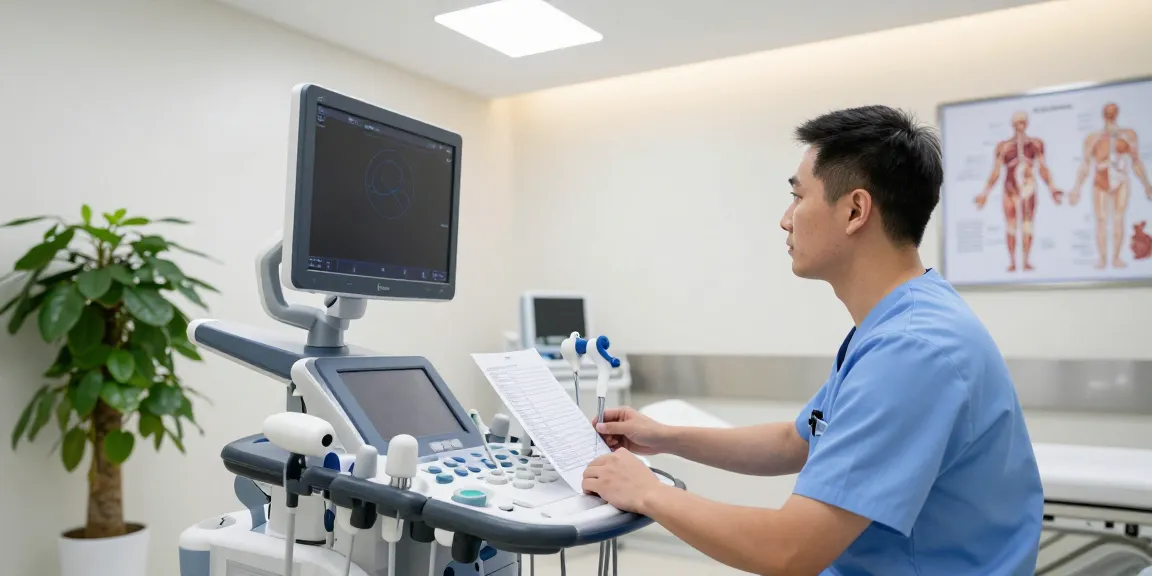
Understanding the Importance of Equipment Medical in Healthcare
In the rapidly evolving field of healthcare, the effectiveness of patient care is heavily reliant on the quality and functionality of Equipment Medical. These devices are essential for diagnosis, treatment, and management of patients' health, underscoring the pivotal role that innovative medical technology plays in modern medicine. From imaging machines to surgical instruments, properly selected and maintained equipment can enhance operational efficiency and patient outcomes significantly.
What is Equipment Medical?
Equipment Medical encompasses a wide range of devices and instruments used in healthcare settings, including hospitals, clinics, and outpatient facilities. This category can range from simple tools like stethoscopes to complex machinery such as MRI scanners. The primary goal of equipment medical is to assist healthcare professionals in delivering effective care while ensuring patient safety and comfort.
Key Components of Equipment Medical
There are several critical components that make up Equipment Medical. These include:
- Diagnostic Equipment: Devices such as X-ray machines or blood analyzers that help in diagnosing conditions.
- Therapeutic Equipment: Instruments used in treatments, such as infusion pumps and laser therapies.
- Monitoring Equipment: Tools like ECG monitors that track patient's vital signs.
- Support Equipment: Items such as hospital beds and stretchers that ensure patient comfort and safety.
The Role of Equipment Medical in Patient Care
Equipment Medical is critical in enhancing patient care through various aspects, including precision in diagnostics, effectiveness in treatments, and efficiency in monitoring patient health. High-quality medical equipment enables timely and accurate assessments of a patient's condition, which is essential for effective treatment plans. Furthermore, with advancements in technology, many devices now offer real-time data, enabling healthcare professionals to make informed decisions quickly.
The Latest Innovations in Equipment Medical
As the healthcare landscape continues to evolve, so does the technology behind Equipment Medical. Innovations in this field are revolutionizing the way healthcare is delivered, enhancing the capacity for improved patient outcomes.
Technological Advancements Shaping the Future
Recent advancements in medical technology include artificial intelligence (AI)-driven diagnostic tools, telemedicine platforms, and wearable devices that provide continuous monitoring of patients. For instance, AI algorithms can analyze imaging data more accurately than traditional methods, leading to faster and more precise diagnoses. Additionally, telemedicine has expanded access to care, allowing patients to consult with healthcare providers remotely, which is particularly beneficial in rural or underserved areas.
Case Studies: Success Stories in Equipment Medical
Several healthcare institutions have successfully integrated innovative Equipment Medical into their practices. For example, the Cleveland Clinic implemented AI-driven imaging software that reduced the time taken for radiological evaluations by 30%, thereby significantly increasing patient turnover and satisfaction. Another example is the use of remote monitoring systems in cardiac care, where patients’ vital signs are tracked in real-time, allowing healthcare providers to respond proactively to any concerning changes.
Comparing Traditional vs. Innovative Medical Equipment
While traditional medical equipment has served healthcare practitioners well for decades, innovative technologies offer numerous advantages. Traditional equipment often lacks connectivity and advanced analytics, limiting the scope of data it can provide. In contrast, innovative equipment is designed with connectivity in mind, allowing integration with electronic health records (EHR) and enhancing data sharing among healthcare teams. The shift from traditional to innovative Equipment Medical can lead to better-informed decisions, streamlined operations, and improved patient outcomes.
How to Choose the Right Equipment Medical for Your Facility
Selecting the appropriate Equipment Medical for a healthcare facility is a critical decision that impacts operational efficiency and patient care quality. Understanding the needs of the facility is paramount in making the right choice.
Assessing Your Healthcare Needs
Before acquiring any Equipment Medical, it is essential to conduct a comprehensive assessment of the healthcare facility's needs. This assessment should include an evaluation of patient demographics, the volume of services provided, and specific clinical capabilities desired. Moreover, engaging with healthcare professionals who will be using the equipment can provide valuable insights into functionality and usability.
Factors to Consider When Selecting Equipment Medical
When choosing Equipment Medical, several factors should be taken into account, including:
- Quality and Reliability: The equipment must meet industry standards and be trustworthy to ensure patient safety.
- Technological Compatibility: Equipment should integrate well with existing systems to streamline operations.
- Ease of Use: User-friendly equipment reduces the learning curve and improves workflow efficiency.
- Cost Considerations: Assess both the purchase price and the total cost of ownership, including maintenance and operational costs.
Common Mistakes to Avoid in Selection
Healthcare facilities often make common mistakes when selecting Equipment Medical, such as:
- Neglecting User Input: Not involving end-users can lead to the selection of equipment that does not meet practical needs.
- Focusing Solely on Price: Choosing the cheapest option can lead to sacrificing quality and reliability.
- Ignoring Future Needs: Failing to consider how healthcare needs may change over time can result in inadequate equipment.
Cost-Effective Strategies for Managing Equipment Medical
Managing Equipment Medical effectively is crucial for maintaining financial viability in a healthcare facility. Implementing cost-effective strategies can help extend the lifespan of medical equipment while optimizing budgets.
Budgeting for Equipment Medical Purchases
Accurate budgeting for Equipment Medical purchases involves forecasting financial needs based on current and projected expenses. Establishing a separate budget for equipment maintenance and updates is essential to ensure that funds are available for unexpected repairs or upgrades.
Maintenance and Upkeep to Extend Equipment Lifespan
Regular maintenance and timely servicing of Equipment Medical are vital in extending its lifespan. Establishing a proactive maintenance schedule based on manufacturer guidelines can help prevent equipment failure and reduce long-term costs. Training staff on proper usage can also minimize wear and tear.
Leasing vs. Buying: Evaluating Your Options
Healthcare facilities often grapple with the decision to lease or purchase Equipment Medical. Leasing can offer lower upfront costs and allow for easier upgrades as technology advances, while purchasing can provide long-term savings without ongoing lease payments. Evaluating the financial implications of both options while considering future growth is critical for making informed decisions.
Future Trends in Equipment Medical and Predictions for 2026
As we look ahead to 2026, several trends are anticipated to shape the Equipment Medical landscape, driven by ongoing technological advancements and evolving patient care models.
Emerging Technologies in the Equipment Medical Sector
Emerging technologies such as robotics, augmented reality, and advanced telehealth solutions are expected to become more prevalent in healthcare settings. Robotic-assisted surgeries are gaining popularity due to their precision and minimally invasive nature. Augmented reality can enhance training for healthcare professionals by providing interactive simulations. Additionally, advances in telehealth technologies will continue to expand access to care.
Regulatory Changes Impacting Equipment Medical
The regulatory landscape surrounding Equipment Medical is also changing, with more stringent standards for equipment safety and efficacy. Healthcare facilities must stay informed about these changes to ensure compliance and maintain quality patient care. Anticipating regulatory shifts can help facilities plan for necessary adjustments in equipment selection and utilization.
Preparing for the Future: How to Stay Ahead of Trends
Healthcare facilities can prepare for future trends by fostering a culture of innovation and continuous learning. Engaging in professional development opportunities and attending industry conferences can help stakeholders stay informed about advancements in Equipment Medical. Collaborating with technology providers to pilot emerging solutions can also position facilities at the forefront of medical advancements.
What are the benefits of advanced Equipment Medical?
Advanced Equipment Medical offers numerous benefits, including increased diagnostic accuracy, improved treatment efficacy, and enhanced patient safety. The integration of innovative technologies allows for a more personalized approach to patient care, leading to better overall health outcomes.
How can Equipment Medical improve patient outcomes?
By streamlining workflows and providing real-time data, Equipment Medical enhances clinical decision-making, which directly contributes to improved patient outcomes. When healthcare providers have access to the latest technology, they can make more informed choices, ultimately leading to higher satisfaction rates and better recovery times.
What should I consider when upgrading Equipment Medical?
When planning to upgrade Equipment Medical, consider factors such as technological advancements, compatibility with existing systems, and the training needs of staff. It is also essential to assess the overall impact on patient care and operational efficiency.
Are there grants or funding available for Equipment Medical?
Various grants and funding opportunities exist for healthcare facilities looking to acquire new Equipment Medical. These can come from government programs, non-profit organizations, and private foundations aimed at improving healthcare quality and access. Researching and applying for these funding sources can significantly offset costs.
What roles do different healthcare professionals play with Equipment Medical?
Different healthcare professionals play essential roles in the utilization of Equipment Medical. For example, physicians rely on diagnostic tools for accurate assessments, nurses operate and monitor equipment during patient care, and biomedical engineers ensure that devices are maintained and functioning correctly. Collaboration among all healthcare team members is critical for optimizing the use of medical equipment.